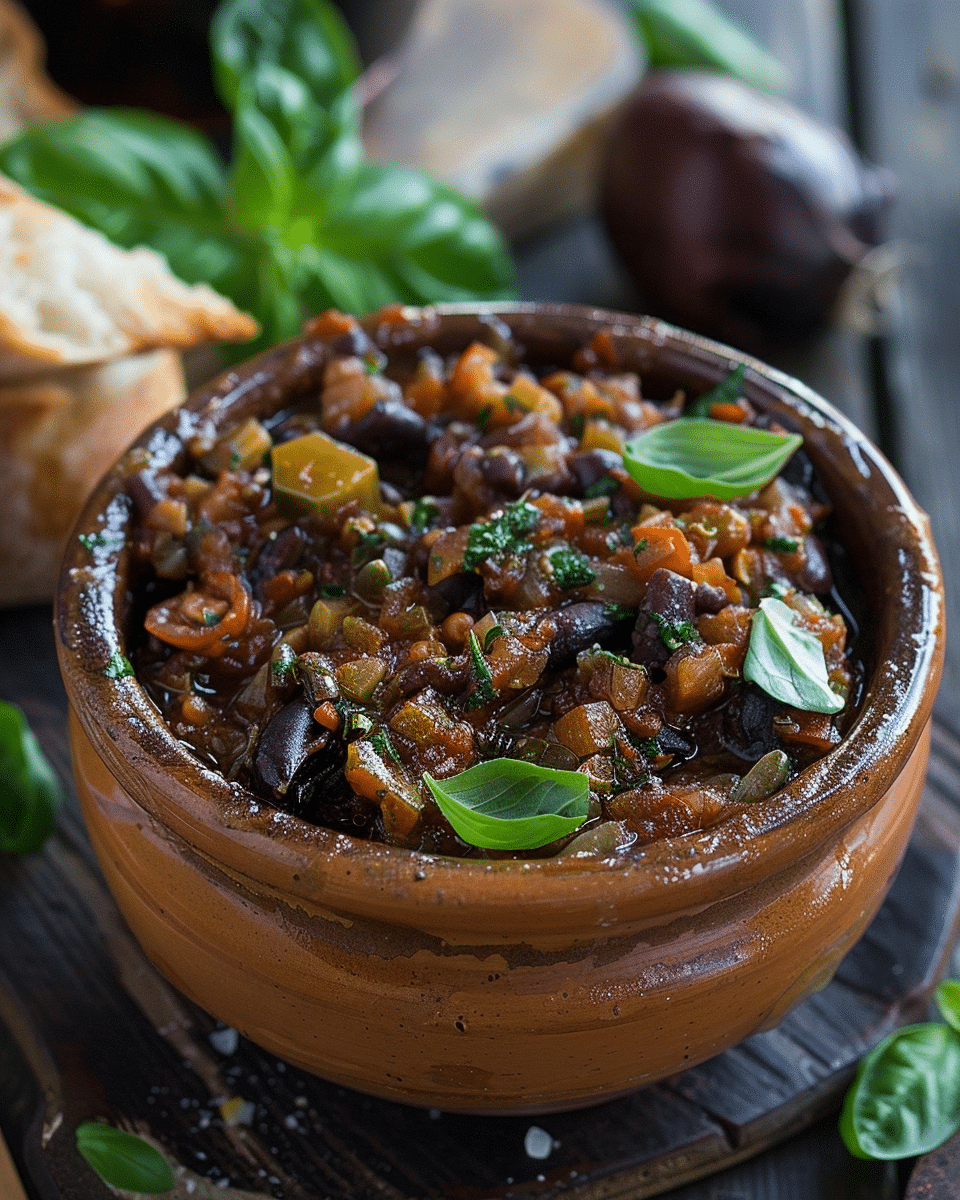

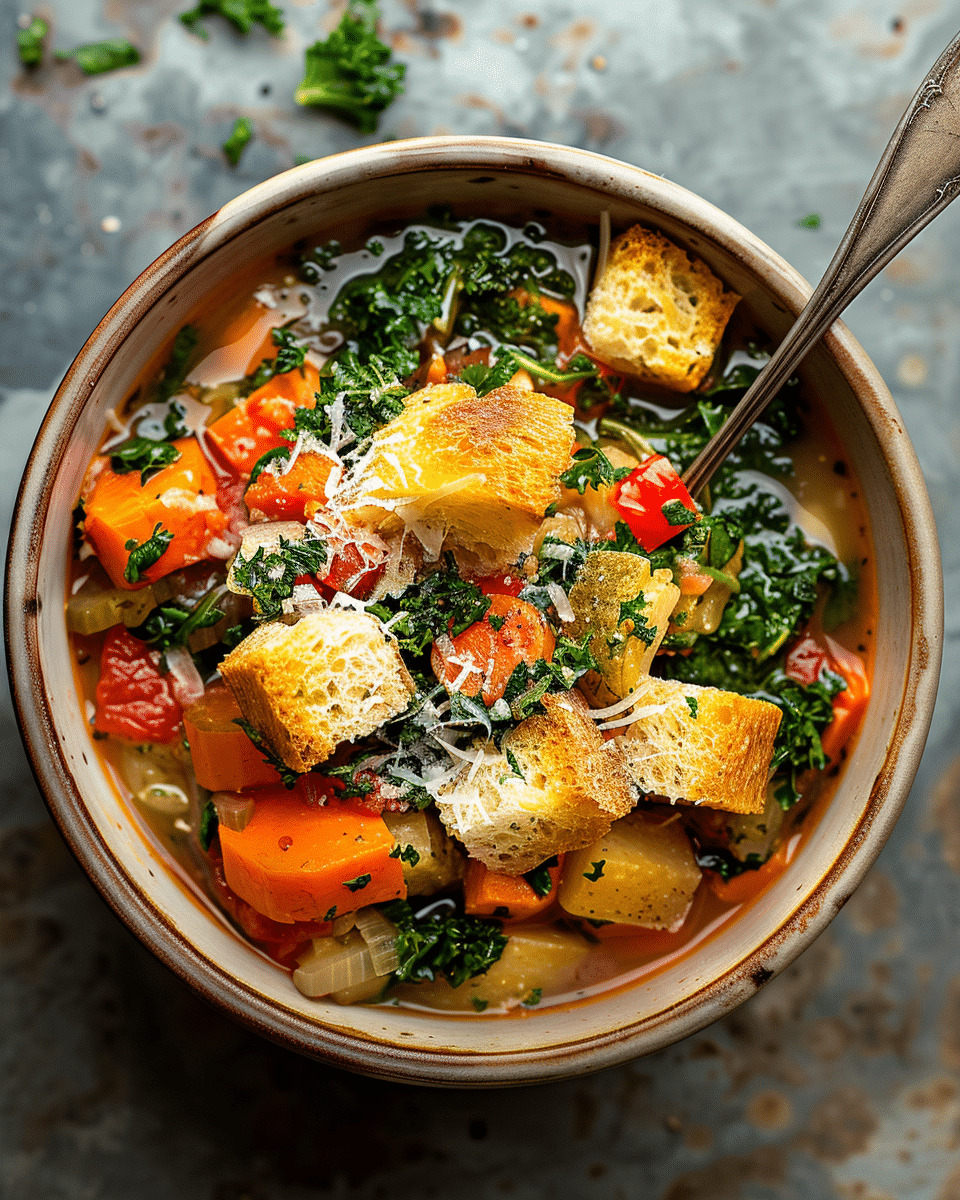
Ribollita (Tuscan Vegetable and Bread Soup) is one of my favorite traditional Italian soups because it transforms simple, wholesome ingredients into a rich, satisfying meal. This rustic Tuscan vegetable and bread soup combines creamy cannellini beans, tender vegetables, nutritious kale, and chunks of day-old bread in a flavorful, herb-infused broth. As the soup slowly simmers, the bread absorbs the liquid and creates a wonderfully thick, comforting texture.
I especially love making Ribollita when the weather turns chilly or when I’m craving a nourishing homemade meal. The combination of fresh vegetables, aromatic herbs, and extra-virgin olive oil gives this soup its authentic Mediterranean character. It’s an excellent way to use leftover bread while preparing a filling, budget-friendly dish that tastes even better the next day.
Why You’ll Love This Recipe
There are so many reasons why I keep coming back to this traditional Tuscan Ribollita recipe. It’s simple, nutritious, and packed with comforting flavors that make every spoonful delicious.
Rich and hearty texture: I love how the rustic bread gradually breaks down into the broth, creating a thick and satisfying soup without cream.
Made with wholesome ingredients: I use fresh vegetables, cannellini beans, kale, and olive oil to create a nourishing, Mediterranean-inspired meal.
Budget-friendly and practical: I appreciate that this recipe relies on affordable pantry staples and gives leftover bread a delicious second life.
Perfect for meal preparation: I often prepare a large batch because the flavors become even more developed after resting overnight.
Easy to customize: I can adjust the vegetables, herbs, and consistency depending on what I have available.
Naturally vegetarian: I make this soup with vegetable broth and can easily keep it vegan by skipping the Parmesan cheese or choosing a plant-based alternative.
Ingredients
(Tip: You’ll find the full list of ingredients and measurements in the recipe card below.)
I like to organize the ingredients into a few simple groups before cooking. This makes the preparation easier and helps the vegetables cook evenly.
Vegetables and Aromatics:
3 tablespoons extra-virgin olive oil
1 medium onion, finely chopped
2 carrots, diced
2 celery stalks, diced
3 garlic cloves, minced
1 medium zucchini, diced
1 large potato, peeled and diced
4 cups chopped Tuscan kale or regular kale
Beans, Tomatoes, and Broth:
1 can (14 oz) diced tomatoes
2 cans (15 oz each) cannellini beans, drained and rinsed
4 cups vegetable broth
2 cups water
Herbs and Seasonings:
1 teaspoon dried thyme
1 teaspoon dried rosemary
1/2 teaspoon freshly ground black pepper
1 bay leaf
1 teaspoon salt
Bread and Finishing Ingredients:
3 cups day-old rustic Italian bread, torn into chunks
2 tablespoons extra-virgin olive oil, for serving
2 tablespoons grated Parmesan cheese, optional
Directions
Sauté the Aromatic Vegetables:
I begin by heating 3 tablespoons of extra-virgin olive oil in a large, heavy-bottomed pot over medium heat.
Once the oil is warm, I add the chopped onion, diced carrots, and celery. I cook everything for about 7–8 minutes, stirring occasionally, until the vegetables soften and the onion becomes translucent.
This first step develops the flavorful foundation of the soup.
Add the Garlic, Zucchini, and Potato:
Next, I stir in the minced garlic, diced zucchini, and potato.
I continue cooking for approximately 3 minutes, stirring frequently to prevent the garlic from burning.
I like allowing the vegetables to cook briefly in the olive oil before adding the liquid because this helps develop their natural flavors.
Add the Beans, Tomatoes, and Seasonings:
I add the diced tomatoes, drained cannellini beans, vegetable broth, and water to the pot.
Then I stir in the dried thyme, rosemary, bay leaf, black pepper, and salt.
I mix everything gently so the ingredients are evenly distributed throughout the broth.
At this stage, the soup already has a wonderful aroma from the vegetables and Mediterranean herbs.
Simmer Until the Vegetables Are Tender:
I bring the soup to a gentle boil over medium-high heat, then reduce the heat to low.
I partially cover the pot and let everything simmer for 25–30 minutes, stirring occasionally.
During this time, the potatoes become tender, the beans soften further, and the flavors gradually blend into a rich, savory broth.
I check the potatoes with a fork to make sure they are cooked through before moving to the next step.
Add the Kale:
Once the vegetables are tender, I stir in the chopped kale.
I let the soup simmer for another 8–10 minutes, until the kale becomes soft and tender.
I love how the dark green leaves add beautiful color and a slightly earthy flavor to the soup.
Incorporate the Rustic Bread:
I remove and discard the bay leaf before adding the torn pieces of day-old Italian bread.
I stir the bread into the soup, making sure the pieces become submerged in the hot broth.
As the bread absorbs the liquid, it begins to soften and break apart, creating the signature thick consistency of Ribollita.
Simmer Until Thick and Hearty:
I continue simmering the soup for another 5–10 minutes, stirring occasionally.
During this final cooking stage, the bread blends with the beans and vegetables to create a thick, rustic texture.
If the soup becomes thicker than I prefer, I simply add a small splash of vegetable broth or water until I reach my desired consistency.
For an even creamier texture, I sometimes mash a small portion of the cannellini beans against the side of the pot.
Rest and Adjust the Seasoning:
Once the soup reaches the desired consistency, I remove the pot from the heat.
I allow the Ribollita to rest for approximately 5 minutes so the bread can absorb more flavor and the soup can settle.
Before serving, I taste the broth and adjust the salt or black pepper if necessary.
Serve Warm:
I ladle the warm Ribollita into deep serving bowls and finish each portion with a drizzle of extra-virgin olive oil.
When I want an extra savory finish, I sprinkle a little grated Parmesan cheese over the top.
I enjoy serving this soup warm as a complete meal, especially during colder months.
Servings and Timing
Prep Time: 20 minutes
Cooking Time: 55 minutes
Total Time: 75 minutes
Servings: 6
Calories per serving: 385 kcal
Variations
One of the things I enjoy most about Ribollita is how easily I can adapt it while preserving its comforting Tuscan character.
Traditional Tuscan Ribollita:
When I want a more traditional version, I use Tuscan kale, cannellini beans, and unsalted rustic Italian bread. I also like incorporating a little Savoy cabbage, which is commonly used in traditional preparations.
For an even more authentic approach, I let the soup rest overnight and gently reheat it the following day. The name Ribollita refers to the idea of boiling again, reflecting its origins as a reheated dish.
Extra Creamy Ribollita:
For a creamier consistency, I mash about one cup of the cooked cannellini beans before adding the bread.
This naturally thickens the broth without requiring cream, butter, or flour.
Spicy Tuscan Vegetable Soup:
When I want a little heat, I add 1/4 to 1/2 teaspoon of crushed red pepper flakes along with the garlic.
I find that the gentle spice balances the richness of the beans and olive oil beautifully.
Vegan Ribollita:
To make the soup completely vegan, I use vegetable broth and omit the Parmesan cheese.
I sometimes finish each bowl with nutritional yeast for a slightly cheesy flavor.
Ribollita with Extra Vegetables:
I occasionally add chopped cabbage, spinach, Swiss chard, or green beans when I have extra vegetables in the refrigerator.
I particularly enjoy adding Savoy cabbage because it complements the kale and creates an even heartier texture.
Ribollita with Different Beans:
Although cannellini beans are my first choice, I sometimes substitute Great Northern beans or navy beans.
Both alternatives have a mild flavor and creamy texture that work well in this rustic Italian soup.
Storage/Reheating
Ribollita is one of my favorite soups to prepare ahead because the flavors deepen as the ingredients rest together.
Refrigerating:
I allow the soup to cool slightly before transferring it into airtight containers. I refrigerate it promptly, within two hours of cooking, and store it for up to 3–4 days.
The bread continues absorbing the broth during storage, so the soup naturally becomes thicker over time.
Freezing:
When I plan to freeze Ribollita, I prefer preparing the soup without adding the bread.
I let the vegetable and bean mixture cool, transfer it into freezer-safe containers, and freeze it for up to 3 months for the best quality.
When I’m ready to serve it, I thaw the soup in the refrigerator, reheat it thoroughly, and add fresh pieces of rustic bread during the final minutes of cooking.
I find that this method preserves the best texture.
Reheating on the Stovetop:
I place the leftover soup in a saucepan over medium-low heat and add a splash of vegetable broth or water.
I stir occasionally until the soup is heated thoroughly, reaching 165°F (74°C).
The additional liquid helps restore the consistency without weakening the flavor too much.
Reheating in the Microwave:
For individual portions, I transfer the soup into a microwave-safe bowl and cover it loosely.
I heat it in short intervals, stirring between each interval until evenly heated through.
I usually finish reheated Ribollita with a little fresh olive oil to bring back its rich, aromatic flavor.
Related Recipes:
FAQs
What is Ribollita, and why is it called Ribollita?
Ribollita is a traditional Tuscan soup made with vegetables, beans, leafy greens, and stale bread. The name means “reboiled” in Italian.
I find its history particularly interesting because it originated as a practical way to transform leftover vegetable soup and bread into another satisfying meal.
Traditionally, the soup was prepared in advance and reheated, allowing the flavors to become even richer.
Can I make Ribollita without bread?
Yes, I can prepare Ribollita without bread, although the result will be closer to a traditional Tuscan vegetable and bean soup.
When I leave out the bread, I usually mash some of the cannellini beans or add an extra potato to create a thicker texture.
However, I prefer including rustic bread because it gives Ribollita its distinctive consistency and traditional character.
What type of bread works best for Ribollita?
I prefer using day-old rustic Italian bread with a firm crust and sturdy crumb.
Traditional unsalted Tuscan bread is an excellent option, but sourdough or another crusty country-style loaf also works well.
I avoid very soft sandwich bread because it tends to break down too quickly and can make the soup overly pasty.
Can I make Ribollita ahead of time?
Absolutely. In fact, I often find that Ribollita tastes even better the next day.
I prepare the soup, allow it to cool, and refrigerate it in an airtight container.
When reheating, I add a little extra broth or water because the bread absorbs moisture as the soup rests.
For the best control over the texture, I sometimes store the bread separately and add it during reheating.
Is Ribollita healthy?
I consider Ribollita a nourishing and balanced meal because it contains a variety of vegetables, fiber-rich beans, leafy greens, and extra-virgin olive oil.
The cannellini beans contribute plant-based protein and fiber, while the kale, carrots, tomatoes, and other vegetables provide important vitamins and minerals.
I also appreciate that the soup is naturally filling without relying on heavy cream.
When I want a lighter version, I reduce the amount of bread or finishing olive oil while keeping the generous portions of vegetables and beans.
Conclusion
Ribollita is a wonderful example of how simple ingredients can come together to create something deeply comforting and flavorful. I love the combination of creamy cannellini beans, tender vegetables, earthy kale, and rustic bread simmered in a fragrant Mediterranean broth.
What makes this Tuscan vegetable and bread soup especially appealing to me is its versatility. I can prepare it with affordable pantry ingredients, adjust the vegetables according to the season, and make enough to enjoy for several days.
Whether I’m preparing a cozy family dinner, looking for a wholesome vegetarian meal, or finding a delicious way to use leftover bread, this homemade Ribollita recipe is always a satisfying choice.
I especially enjoy serving it with a generous drizzle of extra-virgin olive oil and a sprinkle of Parmesan cheese. With its hearty texture, comforting aroma, and traditional Italian flavors, Ribollita is a timeless soup that I love returning to again and again.
📖 Recipe:
Print
Ribollita (Tuscan Vegetable and Bread Soup)
- Total Time: 75 minutes
- Yield: 6 servings
- Diet: Vegetarian
Description
Ribollita is a hearty traditional Tuscan soup made with creamy cannellini beans, tender vegetables, kale, and rustic Italian bread simmered in a fragrant herb-infused broth. This comforting, wholesome Italian classic is perfect for cozy family dinners and tastes even better the next day.
Ingredients
3 tablespoons extra-virgin olive oil
1 medium onion, finely chopped
2 carrots, diced
2 celery stalks, diced
3 garlic cloves, minced
1 medium zucchini, diced
1 large potato, peeled and diced
4 cups chopped Tuscan kale or regular kale
1 can (14 oz) diced tomatoes
2 cans (15 oz each) cannellini beans, drained and rinsed
4 cups vegetable broth
2 cups water
1 teaspoon dried thyme
1 teaspoon dried rosemary
1 bay leaf
1/2 teaspoon freshly ground black pepper
1 teaspoon salt
3 cups day-old rustic Italian bread, torn into chunks
2 tablespoons extra-virgin olive oil, for serving
2 tablespoons grated Parmesan cheese, optional
Instructions
- Heat 3 tablespoons of extra-virgin olive oil in a large, heavy-bottomed pot over medium heat. Add the chopped onion, diced carrots, and celery. Cook for 7–8 minutes, stirring occasionally, until the vegetables soften and the onion becomes translucent.
- Add the minced garlic, diced zucchini, and potato. Cook for approximately 3 minutes, stirring frequently to prevent the garlic from burning.
- Add the diced tomatoes, drained cannellini beans, vegetable broth, and water. Stir in the dried thyme, rosemary, bay leaf, black pepper, and salt. Mix gently until everything is evenly combined.
- Bring the soup to a gentle boil over medium-high heat. Reduce the heat to low, partially cover the pot, and simmer for 25–30 minutes, stirring occasionally, until the potatoes and other vegetables are tender.
- Stir in the chopped kale and continue simmering for 8–10 minutes, until the kale becomes soft and tender.
- Remove and discard the bay leaf. Add the torn pieces of day-old rustic Italian bread, stirring gently to submerge them in the hot broth.
- Continue simmering for another 5–10 minutes, stirring occasionally, until the bread softens and partially breaks down, creating a thick, hearty soup. Add a splash of vegetable broth or water if the consistency becomes too thick. For extra creaminess, mash some cannellini beans against the side of the pot.
- Remove the pot from the heat and allow the soup to rest for approximately 5 minutes. Taste and adjust the salt and black pepper as needed.
- Ladle the warm Ribollita into serving bowls. Drizzle with the remaining 2 tablespoons of extra-virgin olive oil, divided among the servings, and sprinkle with grated Parmesan cheese if desired. Serve warm.
Notes
For traditional Tuscan Ribollita, use Tuscan kale, cannellini beans, and day-old unsalted rustic Italian bread. Savoy cabbage can also be added for extra authenticity.
For a creamier soup, mash approximately 1 cup of the cooked cannellini beans before adding the bread.
For a spicy variation, add 1/4 to 1/2 teaspoon crushed red pepper flakes along with the garlic.
For a vegan version, omit the optional Parmesan cheese or replace it with nutritional yeast or a plant-based alternative.
Additional vegetables such as Savoy cabbage, spinach, Swiss chard, or green beans can be added according to preference.
Great Northern beans or navy beans can replace cannellini beans if necessary.
Use sturdy, day-old Italian bread, sourdough, or crusty country-style bread. Avoid very soft sandwich bread, which can make the soup overly pasty.
For a thicker consistency, allow the bread to absorb more broth. For a thinner soup, add additional vegetable broth or water gradually.
Ribollita often tastes better the following day because the flavors develop as the soup rests. Reheat gently before serving.
Refrigerate leftovers promptly, within 2 hours of cooking, in airtight containers for up to 3–4 days.
For freezing, prepare the vegetable and bean soup without the bread. Freeze in suitable airtight containers for up to 3 months for the best quality. Thaw in the refrigerator and add fresh bread while reheating.
Reheat leftovers on the stovetop over medium-low heat, adding a splash of broth or water as needed, until thoroughly heated to 165°F (74°C).
For microwave reheating, place individual portions in a microwave-safe bowl, cover loosely, and heat in short intervals, stirring between intervals until evenly heated through.
Finish each serving with a drizzle of good-quality extra-virgin olive oil and optional grated Parmesan cheese for additional richness.
For a lighter version, reduce the amount of bread or finishing olive oil while keeping the generous portions of vegetables and beans.
Nutrition values are estimates per serving and may vary depending on the bread, vegetable broth, olive oil, and optional Parmesan cheese used.
- Prep Time: 20 minutes
- Cook Time: 55 minutes
- Category: Soup
- Method: Stovetop, Simmering
- Cuisine: Italian, Tuscan
Nutrition
- Serving Size: 1 generous bowl (approximately 2 cups)
- Calories: 385 kcal
- Sugar: 8 g
- Sodium: 980 mg
- Fat: 15 g
- Saturated Fat: 2.5 g
- Unsaturated Fat: 12 g
- Trans Fat: 0 g
- Carbohydrates: 52 g
- Fiber: 11 g
- Protein: 13 g
- Cholesterol: 2 mg